

New Motor Insurance Rules: Will Buying a Car or Bike Cost You More?
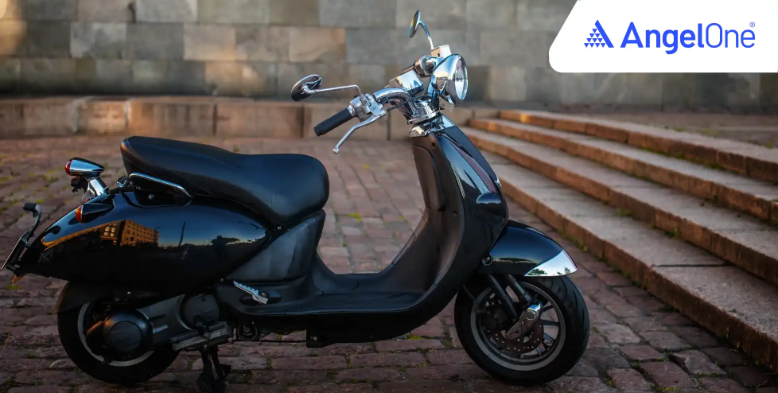

If you're planning to buy a new car or two-wheeler, you may have to set aside a bigger budget. The Supreme Court has directed the Insurance Regulatory and Development Authority of India (IRDAI) to extend the duration of mandatory third-party motor insurance for new vehicles, a move that is expected to increase the upfront cost of vehicle purchases.
Alongside longer compulsory insurance, the court has also proposed a simpler motor insurance framework to help buyers better understand the coverage they are paying for and make informed decisions.
Why Could Buying a New Vehicle Become More Expensive?
The biggest change is the extension of mandatory third-party insurance.
Under the Supreme Court's directions:
- New cars will have to be sold with 4 years of compulsory third-party insurance, up from the current three years.
- New two-wheelers will require 6 years of compulsory third-party insurance, compared with the existing five years.
Because buyers will pay the premium for the entire mandatory insurance period at the time of purchase, the initial cost of buying a new vehicle is likely to increase. While this means a higher upfront expense, it also reduces the need to renew third-party insurance every year during the mandatory period.
What Are the New Motor Insurance Rules?
The Supreme Court has asked IRDAI to introduce a four-layer motor insurance structure comprising:
- Mandatory third-party insurance
- Optional passenger or pillion rider cover
- Optional personal accident cover
- Optional own-damage cover for the insured vehicle
The court has also directed the regulator to introduce a standard customer option form that clearly explains each type of cover. In addition, insurers will be required to use standard policy wordings for optional covers, making it easier for buyers to compare insurance products.
How Will the Rules Improve Compliance?
The court observed that many vehicles continue to operate without valid insurance despite earlier directions on long-term third-party cover.
To address this, the Ministry of Road Transport and Highways (MoRTH) and IRDAI have been directed to integrate Automatic Number Plate Recognition (ANPR) cameras with the VAHAN portal and the Insurance Information Bureau database. The system will automatically identify uninsured vehicles and enable authorities to issue e-challans.
Read more: RBI Keeps Repo Rate Unchanged at 5.25%; Maintains Neutral Policy Stance.
Conclusion
The new motor insurance rules are designed to improve insurance coverage, increase transparency and strengthen road safety. While buyers may have to pay more upfront when purchasing a new car or bike, the changes aim to ensure longer insurance protection and reduce the number of uninsured vehicles on Indian roads.
Want to read stock market updates in Hindi? Angel One News gives comprehensive share market news in Hindi.
Disclaimer: This blog has been written exclusively for educational purposes. The securities and commodities mentioned are only examples and not recommendations. This does not constitute a personal recommendation or investment advice. It does not aim to influence any individual or entity to make investment decisions. Recipients should conduct their own research and assessments to form an independent opinion before making investment decisions.
Investments in the securities market are subject to market risks. Read all the related documents carefully before investing.
Turn insights into action - Open Free Demat Account with Angel One and start investing instantly.
Published on: Aug 5, 2026, 12:32 PM IST


- Can ₹2,500 a Month Grow to ₹2 Crore? Step Up SIP Calculator Explains the Maths
- Department of Posts Approves 60-Day Bonus for Eligible Employees for 2025-26
- EPFO Scheme: ₹15,000 Incentive for First-Time Employees Under Pradhan Mantri Viksit Bharat Rozgar Yojana
- SGB 2020-21 Series VII Delivers 192% return as RBI Opens Premature Redemption on October 19, 2026
- Will 2026 Retirees Lose Benefits If 8th Pay Commission Is Delayed?
Related Articles



Enjoy ₹0 Account Opening Charges
Get the link to download the App


