

Indian Railways to Fast-Track Bullet Train Projects with Bundled Approvals, Mission Mode Execution: Report
 EN
EN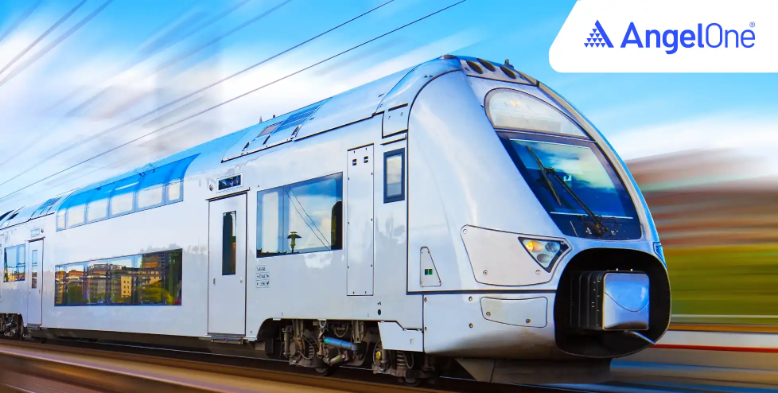

Indian Railways is set to accelerate the rollout of future bullet train corridors by adopting a mission mode approach, aimed at expediting approvals and reducing execution delays. According to reports, the national transporter plans to introduce bundled clearances across central, state, and local authorities to streamline project implementation.
Bundled Approvals To Cut Delays
The move is designed to address one of the biggest bottlenecks in infrastructure development—land acquisition and right-of-way approvals. Under the new framework, dedicated teams will coordinate with multiple government agencies to ensure faster clearances.
Officials indicated that bullet train projects will receive top priority across administrative levels, helping avoid the prolonged delays that impacted earlier projects. Coordination meetings with states are expected to begin soon for proposed corridors.
Learning From Mumbai-Ahmedabad Project
The decision comes in the backdrop of delays in the Mumbai-Ahmedabad High Speed Rail Corridor, India’s first bullet train project. The cost of the project has surged to nearly ₹1,98,000 crore from the initial estimate of ₹1,08,000 crore, largely due to land acquisition challenges.
To prevent similar overruns, Indian Railways is also focusing on standardisation of design across future corridors. This is expected to improve supply chain efficiency for key components such as rolling stock and signalling systems. Additionally, increased adoption of pre-cast construction techniques is likely to speed up civil works.
Seven New Corridors Planned
In the Union Budget 2026–27, the government outlined plans to develop seven new high-speed rail corridors, including Mumbai–Pune, Pune–Hyderabad, Hyderabad–Bengaluru, Hyderabad–Chennai, Chennai–Bengaluru, Delhi–Varanasi, and Varanasi–Siliguri.
These corridors are expected to significantly enhance connectivity between major economic hubs, supporting faster passenger movement and boosting regional development.
Conclusion
Indian Railways’ shift to a mission mode execution strategy signals a more structured and proactive approach to large-scale infrastructure projects. By streamlining approvals, standardising processes, and improving coordination, the government aims to fast-track bullet train development and avoid past delays. The success of this approach will be critical in shaping India’s high-speed rail ambitions in the coming years.
Disclaimer: This blog has been written exclusively for educational purposes. The securities mentioned are only examples and not recommendations. This does not constitute a personal recommendation/investment advice. It does not aim to influence any individual or entity to make investment decisions. Recipients should conduct their own research and assessments to form an independent opinion about investment decisions.
Investments in the securities market are subject to market risks, read all the related documents carefully before investing.
Published on: Apr 24, 2026, 12:03 PM IST


- EPFO May Take Up Minimum Pension Hike Proposal on November 19, 2026
- Government Plans to Make Emergency Braking Systems Mandatory for New Cars from October 1, 2030
- Government Extends Duty-Free Raw Sugar Import Deadline to December 31, 2026
- SGB 2018-19 Series-II Delivers 358.52% Return as RBI Opens Premature Redemption on October 23, 2026
- India Notifies New Telecom Sandbox Rules to Support Technology Testing
Related Articles



Enjoy ₹0 Account Opening Charges
Get the link to download the App


