
The Hidden Detail on Every ₹100, ₹200 & ₹500 Note That Most Indians Never Notice
 EN
EN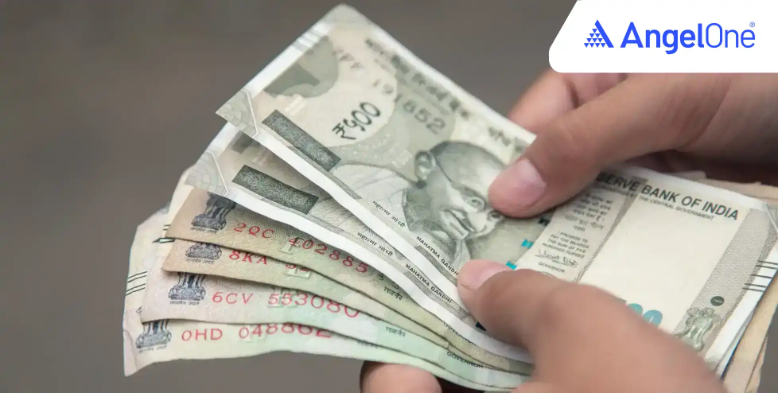

Every day, millions of Indians use ₹100, ₹200 and ₹500 notes without giving them a second glance. While most people recognise the watermark, security thread and Mahatma Gandhi's portrait, very few are aware of one of the smallest yet most effective security features printed on every note.
Hidden within the design is micro-lettering, which is a tiny engraved text added by the Reserve Bank of India (RBI) to make counterfeit currency much harder to produce. The lettering is so small that it usually goes unnoticed unless viewed through a magnifying glass.
The Tiny Security Feature Hidden in Plain Sight
Micro-lettering is a specialised printing technique in which extremely small text is embedded into different parts of a banknote. Depending on the denomination, these inscriptions include "RBI", the note's value, "India", "Bharat" in Devanagari script, and combinations such as "RBI500INDIA".
Unlike ordinary printing, these miniature characters require high-precision technology, making them extremely difficult for counterfeiters to replicate accurately.
Where Can You Find It?
The micro-text is positioned around Mahatma Gandhi's portrait on the front of the note. Tiny Devanagari letters spelling "Bharat" appear near the right spectacle frame, while the denomination and "RBI" are printed along the left side of the portrait.
Additional micro-lettering, including "India", "Bharat", and combined text strings such as "RBI100INDIA" or "RBI500INDIA", is embedded within the artwork of the note. The same security feature appears on ₹10, ₹20, ₹50, ₹100, ₹200 and ₹500 notes, with the denomination changing accordingly.
Why It Matters
Micro-lettering is one of several security measures used by the RBI to combat fake Indian currency. Since counterfeit notes often fail to reproduce these microscopic details with precision, the feature provides an additional layer of authentication for banks, businesses and cash handlers.
It works alongside other security elements such as watermarks, security threads, latent images, intaglio printing and colour-shifting ink to safeguard the integrity of India's currency.
Conclusion
The next time you receive a ₹100, ₹200 or ₹500 note, take a closer look. What appears to be an ordinary banknote actually contains a sophisticated security feature that most people never notice. Though nearly invisible to the naked eye, this tiny inscription plays a big role in helping the RBI protect India's currency from counterfeiting.
Read stock market news in Hindi. Head to Angel One's share market news in Hindi for comprehensive coverage.
Disclaimer: This blog has been written exclusively for educational purposes. The securities mentioned are only examples and not recommendations. This does not constitute a personal recommendation/investment advice. It does not aim to influence any individual or entity to make investment decisions. Recipients should conduct their own research and assessments to form an independent opinion about investment decisions.
Investments in the securities market are subject to market risks, read all the related documents carefully before investing.
Turn insights into action - Open Free Demat Account with Angel One and start investing instantly.
Published on: Jul 2, 2026, 3:36 PM IST


- India Wholesale Inflation Hits 11.39% in September 2026 as Oil and Food Prices Rise
- Government Plans BS-VII Emission Norms From 2029 With Stricter Pollution Checks
- Union Cabinet Likely to Consider Productivity Bonus for Railway Employees
- RBI May Tighten Forex Derivatives Rules Further to Curb Speculation, Says Governor Sanjay Malhotra
- Delhi Government Introduces Mandatory Aadhaar Identification for Electricity Subsidy Claims
Related Articles



Enjoy ₹0 Account Opening Charges
Get the link to download the App


