
India UAE Jointly Target African and Eurasian Markets, MSME Ties Strengthened
 EN
EN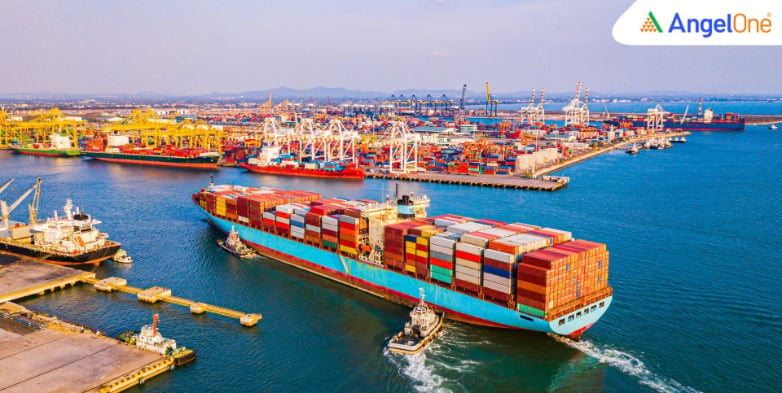

India and the UAE have expanded their strategic partnership by focusing on collaborative economic ventures across Africa and Eurasia.
This includes creating a framework to support micro, small and medium enterprises (MSMEs) from both countries and launching key trade initiatives.
India UAE Collaboration Sparks MSME Connectivity Across Regions
During UAE President Mohammed Bin Zayed's 3-hour visit to New Delhi on January 20, 2026, he and Indian Prime Minister Narendra Modi directed their delegations to collaborate on enhancing MSME connections between the 2 nations. This marked the first structured effort by India and the UAE to jointly link their MSME sectors with an international outreach.
The initiatives proposed include Bharat Mart, the Virtual Trade Corridor and Bharat-Africa Setu. These platforms aim to distribute MSME products from India and UAE to markets across the Middle East, West Asia, Africa and the Eurasian region.
Over recent years, the UAE has been actively expanding its footprint in Africa by investing in commercial activities, particularly in ports across coastal states.
On the other side, the country has also deepened its economic links with Russia and Central Asia, focusing solely on commercial motives without geopolitical involvement.
Infrastructure and Financial Integration Initiatives Gain Traction
Prime Minister Modi also encouraged UAE sovereign wealth funds to invest in India's second Infrastructure Fund, due for launch later in the year. Alongside this, two UAE-based institutions DP World and First Abu Dhabi Bank (FAB) have established operations at Gujarat's GIFT City.
FAB's branch is expected to serve as a conduit between Indian businesses and its broad financial network across the Gulf Cooperation Council (GCC), Middle East and North Africa (MENA) regions.
Read More: India Signs $3 Billion LNG Deal With UAE, Deepens Energy and Defence Ties!
Efforts to Enhance Payment System Integration
Both leaders also instructed their teams to begin working on connecting the Indian and UAE national payment systems. The proposed interlinking aims to reduce transaction delays and costs while enhancing financial participation between businesses in both countries.
Conclusion
India and the UAE continue to scale their bilateral engagements to a new level, targeting commerce in Africa and Eurasia through MSME partnerships and strategic infrastructure initiatives. Collaboration in areas such as financial services and payment systems further demonstrates the intent to deepen commercial ties.
Disclaimer: This blog has been written exclusively for educational purposes. The securities or companies mentioned are only examples and not recommendations. This does not constitute a personal recommendation or investment advice. It does not aim to influence any individual or entity to make investment decisions. Recipients should conduct their own research and assessments to form an independent opinion about investment decisions.
Investments in the securities market are subject to market risks, read all the related documents carefully before investing.
Published on: Jan 21, 2026, 3:30 PM IST

Team Angel One

- India and Canada Sign Commercial Agreements as Trade Talks Continue
- Bank Credit Grows 19.38% to ₹230 Trillion by September 2026 End
- Delhi’s SUNIYO 2.0 Property Tax Waiver Deadline Extended to December 31, 2026
- India’s Unemployment Rate Holds at 5% in September 2026
- Centre Sanctions 30-Day Ad Hoc Bonus for Eligible Government Employees for 2025-26
Related Articles



Enjoy ₹0 Account Opening Charges
Get the link to download the App


