
With LPG in Short Supply, What’s the Cheapest Way to Cook: Induction, Air Fryer, or Microwave?
 EN
EN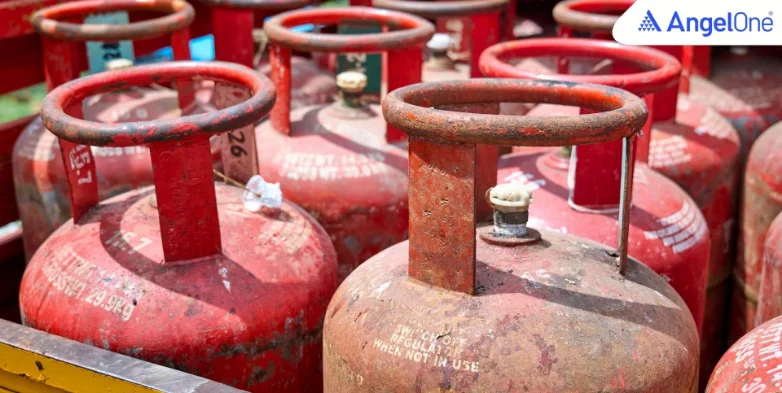

In light of recent LPG supply fears, many households are considering alternate cooking methods for cost savings.
Induction cooktops, air fryers, and microwaves are increasingly used as alternatives. Let's assess which method offers better cost efficiency for daily cooking needs.
Understanding the Cost-effectiveness of Induction Cooking
Induction cooking is gaining popularity for its efficiency. Unlike gas, where heat dissipates in the air, induction directly heats the utensil. This results in faster cooking with less energy loss.
While it might lead to a slight increase in electricity bills, the savings from reduced LPG usage often compensate for this. Electricity costs tend to be more stable than fluctuating gas prices.
The Role of Air Fryers in Reducing Costs
Air fryers have transitioned from being luxury items to everyday kitchen tools. By using minimal oil and less cooking time, air fryers are efficient for small batches.
Although they can't replace traditional stoves, their consistent long-term savings on oil and gas usage are notable.
Microwave: An Underrated Cost-saver
Most households own a microwave, primarily used for reheating. However, this appliance can significantly cut down on gas use for small, frequent tasks.
By opting for microwave reheating, you reduce the LPG consumption without significantly affecting your electricity bill.
This method is practical for daily routines, making it a viable support system in the kitchen.
Conclusion
When evaluating cost-effectiveness amidst LPG supply fears, each cooking method brings unique benefits. Induction cooktops are efficient for regular tasks, air fryers are convenient for snacks, and microwaves are perfect for rapid reheating. By intelligently distributing cooking tasks among them, households can effectively manage operational costs and increase energy efficiency.
Disclaimer: This blog has been written exclusively for educational purposes. The securities or companies mentioned are only examples and not recommendations. This does not constitute a personal recommendation or investment advice. It does not aim to influence any individual or entity to make investment decisions. Recipients should conduct their own research and assessments to form an independent opinion about investment decisions.
Investments in the securities market are subject to market risks, read all the related documents carefully before investing.
Published on: Mar 26, 2026, 8:38 AM IST

Team Angel One

- RBI Opens Special Window for Public Sector OMCs to Meet Dollar Needs
- RBI Revises Foreign Exchange Derivative Rules, Introduces 20% Cash Reserve Requirement
- UAE Becomes India’s Largest LPG Supplier in September as US Shipments Fall 58%
- RBI Increases Daily CRR Maintenance Requirement for Banks to 99% from October 16, 2026
- Indian Real Estate Attracts $5.9 Billion in Institutional Investments, Up 39% in 2026
Related Articles



Enjoy ₹0 Account Opening Charges
Get the link to download the App


