
Does Using E10 or E20 Petrol Affect Motor Insurance Claims? Here's What You Need to Know
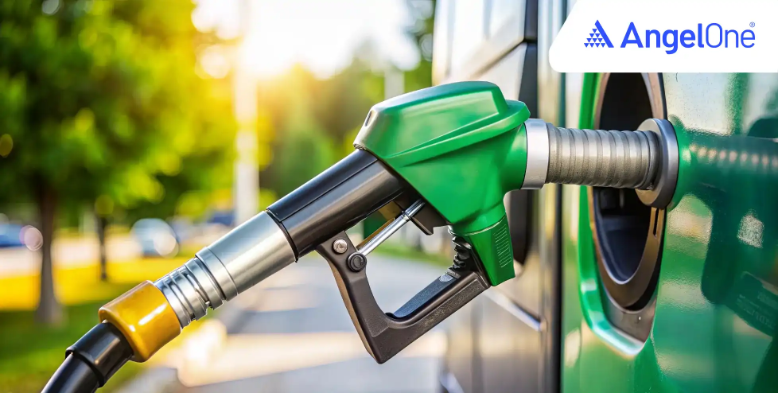

The nationwide rollout of ethanol-blended petrol has raised questions about vehicle compatibility, fuel efficiency and the impact on motor insurance claims, according to a CNBC TV18 report. The issue gained attention in June 2026 after concerns emerged regarding whether the use of E20 fuel in vehicles not designed for it could affect claim eligibility.
ICICI Lombard later clarified that the use of E20 petrol does not invalidate a motor insurance policy and that claims are assessed based on the insured event and policy conditions. Industry experts that CNBC TV18 spoke to have since reiterated that fuel type alone is not the deciding factor in claim settlements.
Does Using E20 Petrol Affect Motor Insurance Claims?
Insurance industry experts state that the use of E10 or E20 petrol by itself does not lead to the rejection of a motor insurance claim. Claims continue to be evaluated based on the policy coverage, nature of the incident and the actual cause of damage.
According to experts, insured events such as accidents, theft or other covered losses are assessed under existing policy terms regardless of the fuel being used. The clarification has helped address concerns that emerged following discussions around E20 fuel compatibility.
Factors Insurers Consider for E20 Fuel-Related Damage Claims
Insurance providers generally distinguish between accidental damage and mechanical failure when evaluating claims. If a vehicle is involved in an accident or other insured event, the claim is assessed based on the circumstances of that event rather than fuel type alone.
However, if damage is found to be directly linked to the use of incompatible fuel or failure to follow manufacturer guidelines, insurers may examine the specific circumstances before determining coverage. The assessment process focuses on the cause of loss and whether it falls within the scope of the policy.
Motor Insurance Rules for E10-Compatible Vehicles
Experts have clarified that there is currently no separate motor insurance framework for vehicles designed only for E10 petrol. Owners of such vehicles remain covered under the same insurance principles applicable to all policyholders.
Insurers continue to assess claims based on policy conditions and evidence related to the damage sustained. In addition, reduced mileage or lower fuel efficiency is generally not considered an insured loss under standard motor insurance policies.
Important Documents Vehicle Owners Should Maintain
Vehicle owners are not required to maintain additional insurance documentation solely because they use ethanol-blended fuel. However, keeping standard records updated can help during the claims process and in the event of disputes regarding the cause of damage. Important documents include:
- Motor insurance policy documents
- Registration Certificate (RC)
- Driving licence
- Claim form
- Repair estimates
- Workshop diagnosis or job card
- Vehicle servicing records
Read More: India’s Ethanol Capacity Tops 2,000 Crore Litres as E20 Demand Slows.
Want to read stock market updates in Hindi? Angel One News gives comprehensive share market news in Hindi.
Conclusion
The transition to E20 petrol has generated discussions about its implications for vehicle ownership and insurance coverage. Industry experts maintain that motor insurance claims are assessed based on policy coverage and the cause of loss rather than the type of fuel used.
While mechanical issues linked to incompatible fuel use may require further evaluation, E20 petrol use alone does not invalidate insurance coverage. Maintaining proper documentation and following manufacturer guidelines remain important aspects of vehicle ownership and claim management.
Disclaimer: This blog has been written exclusively for educational purposes. The securities mentioned are only examples and not recommendations. This does not constitute a personal recommendation/investment advice. It does not aim to influence any individual or entity to make investment decisions. Recipients should conduct their own research and assessments to form an independent opinion about investment decisions.
Investments in the securities market are subject to market risks, read all the related documents carefully before investing.
Published on: Jul 31, 2026, 4:21 PM IST

Akshay Shivalkar
Akshay Shivalkar is a financial content specialist who strategises and creates SEO-optimised content on the stock market, mutual funds, and other investment products. With experience in fintech and mutual funds, he simplifies complex financial concepts to help investors make informed decisions through his writing.
Know More
- India Wholesale Inflation Hits 11.39% in September 2026 as Oil and Food Prices Rise
- Government Plans BS-VII Emission Norms From 2029 With Stricter Pollution Checks
- Union Cabinet Likely to Consider Productivity Bonus for Railway Employees
- RBI May Tighten Forex Derivatives Rules Further to Curb Speculation, Says Governor Sanjay Malhotra
- Delhi Government Introduces Mandatory Aadhaar Identification for Electricity Subsidy Claims
Related Articles



Enjoy ₹0 Account Opening Charges
Get the link to download the App


