
Independence Day 2025 Special: Can You Sell Old Banknotes and Coins in India?
 EN
EN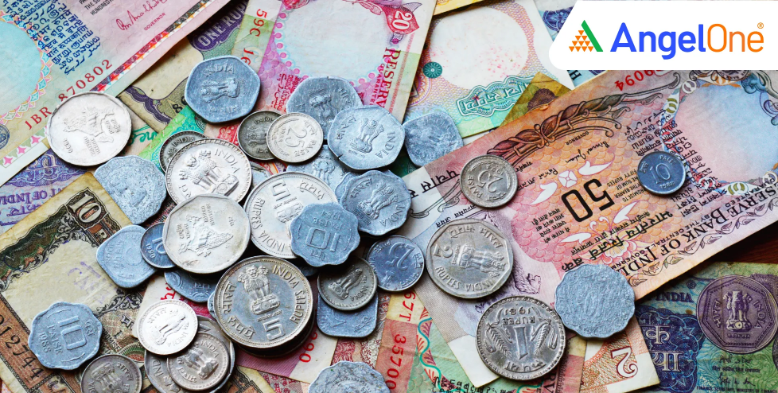

Every Independence Day, conversations about India’s history resurface, not just about freedom, but also about the tangible pieces of our past. Among them, old banknotes and coins often carry a slice of history in their designs, emblems, and inscriptions. Whether inherited or discovered tucked away in drawers, many wonder: can these items be legally sold in India? The short answer is yes, but with important legal and practical considerations.
Legal Framework for Selling Old Currency
In India, the sale of old coins and banknotes is legal, provided they are no longer in active circulation and do not violate the Indian Antiquities and Art Treasures Act, 1972. The Reserve Bank of India (RBI) allows for the collection and trading of old currency for numismatic (collecting) purposes. However, if a coin or note is still in circulation, attempting to sell it at a premium could raise legal issues.
Items over 100 years old may be considered antiques, in which case special permissions may be required for sale, particularly for international buyers.
Where Can You Sell Old Notes and Coins?
- Online Marketplaces: Certain online platforms allow collectors to list rare currency items. However, sellers should be cautious about fake buyers and fraudulent claims.
- Numismatic Dealers and Auctions: Many cities have coin dealers or host auctions where you can get your currency appraised and sold to genuine collectors.
- Social Media Groups and Forums: Niche communities on social media are dedicated to buying and selling rare coins. But again, ensure due diligence before transacting.
- Museums or Currency Exhibitions: In rare cases, historically significant currency may be of interest to museums or collectors’ exhibitions, offering a platform for both display and sale.
What Determines the Value?
The value of an old note or coin depends on:
- Rarity: Limited edition or discontinued series are more valuable.
- Condition: Well-preserved items fetch better prices.
- Errors: Printing or minting errors can significantly increase value.
- Demand: Popular coins (e.g., those with Queen Victoria or early Republic India coins) are more sought-after.
Also Read: Your ₹2,000 Currency Notes Are Still Valid: A Simple Exchange Guide!
Conclusion
On Independence Day, old banknotes and coins are more than collectibles, they’re fragments of the nation’s journey, from colonial times to a sovereign republic. Selling them is perfectly legal in India when done within regulatory boundaries.
Whether you’re a hobbyist or looking to profit, ensure your items are genuine, well-preserved, and marketed to the right audience. Avoid suspicious platforms or buyers, and always opt for secure, documented transactions.
Disclaimer: This blog has been written exclusively for educational purposes. The securities mentioned are only examples and not recommendations. This does not constitute a personal recommendation/investment advice. It does not aim to influence any individual or entity to make investment decisions. Recipients should conduct their own research and assessments to form an independent opinion about investment decisions.
Published on: Aug 5, 2025, 1:20 PM IST

Nikitha Devi
Nikitha is a content creator with 7+ years of experience in the financial domain. Specialising in personal finance, investments, and market insights, Nikitha simplifies complex financial topics, making them accessible to readers.
Know More
- Indian Real Estate Attracts $5.9 Billion in Institutional Investments, Up 39% in 2026
- Ageas Federal Life Insurance Launches Multi-Currency Plan at GIFT City
- Railway Ministry Issues Warning Over Fake Bonus Circular
- Electric PV Sales Surge 95% in September While E-Two-Wheeler Sales Rise 89%
- India Joins US and 13 Economies in Joint Statement on Manufacturing Excess Capacity
Related Articles



Enjoy ₹0 Account Opening Charges
Get the link to download the App


