
PM E-Drive: Union Budget 2026 Allocates ₹1,500 Crore to the EV Scheme
 EN
EN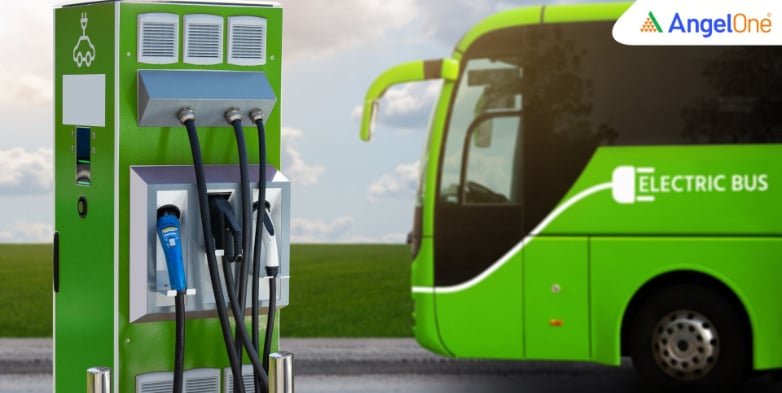

The Economic Survey 2026 places the automotive sector among India’s larger economic contributors. It supports more than 30 million direct and indirect jobs and accounts for close to 15% of total GST collections. Budget support for electric mobility in FY27 has been framed within this wider industrial and fiscal context.
While presenting the Union Budget 2026-27, Nirmala Sitharaman outlined continued allocations for existing electric vehicle schemes, showing implementation progress rather than an expansion of incentives.
Allocation Under PM E-Drive
The Budget has provided ₹1,500 crore for the PM Electric Drive Revolution in Innovative Vehicle Enhancement (PM E-Drive) scheme in FY27. This compares with a revised estimate of ₹1,300 crore for FY26, against a budget estimate of ₹4,000 crore in that year.
Tthe PM E-Drive has replaced the FAME India programme as the Centre’s primary demand-incentive scheme for electric vehicles. FAME recorded actual spending of ₹1,113.95 crore in FY25 and ₹1,181.26 crore in FY26 (revised), before being phased out.
Scheme Design and Funding Split
PM E-Drive was launched on 1 October 2024 with a total outlay of ₹10,900 crore. The scheme covers purchase incentives and support for charging and testing infrastructure.
Of the total amount, ₹4,391 crore has been earmarked for electric buses, ₹3,679 crore for electric two- and three-wheelers, and ₹2,000 crore for public EV charging infrastructure. Electric trucks and electric ambulances have been allotted ₹500 crore each.
Progress and Timelines
As of December 30, 2025, incentives under PM E-Drive have been extended to 21.24 lakh electric vehicles. The target for L5 electric three-wheelers, set at 2.88 lakh units, has been met, and incentives for this category were closed in December 2025.
Support for electric two-wheelers stands at 18.40 lakh units, against a target of 24.79 lakh. The scheme has been extended until March 2028, though incentives for electric two- and three-wheelers are scheduled to end on 31 March 2026.
Buses, Charging and Taxes
Guidelines have been issued for public charging infrastructure, with targets covering fast chargers for four-wheelers, buses, and two- and three-wheelers. The PM e-Bus Sewa Payment Security Mechanism has received ₹12 crore in FY27.
Electric vehicles continue to attract 5% GST. Buyers can claim income-tax deductions on interest paid on EV loans under Section 80EEB, while concessional imports under the SMEC scheme remain linked to domestic investment commitments.
Read More: India’s Automobile Sector Strengthens on Rising Demand, Exports and Policy Support!
Conclusion
The FY27 allocation indicates continuity in the government’s EV policy, with PM E-Drive remaining the main demand-incentive programme. Budgetary support is aligned with scheme uptake, infrastructure targets and public transport electrification.
Disclaimer: This blog has been written exclusively for educational purposes. The securities mentioned are only examples and not recommendations. This does not constitute a personal recommendation/investment advice. It does not aim to influence any individual or entity to make investment decisions. Recipients should conduct their own research and assessments to form an independent opinion about investment decisions.
Investments in the securities market are subject to market risks, read all the related documents carefully before investing.
Published on: Feb 2, 2026, 11:00 AM IST

Team Angel One

- Scooty Schemes in India: Know the State Government Schemes for Students and Central or State EV Subsidies Here
- Punjab Government Plans to Raise Dearness Allowance to 60% for 85,000 Employees
- DGFT Automates Free Sale Certificate Issuance to Reduce Processing Time and Compliance Burden for Exporters
- Delhi Lakshmi Yojna: 2,500 Women Receive Approval Letters for ₹2,500 Monthly Aid Starting September 1, 2026
- Centre Launches Second Phase of Rural Entrepreneurship Campaign to Achieve 6 Crore Lakhpati Didis Goal
Related Articles



Enjoy ₹0 Account Opening Charges
Get the link to download the App


