
NHAI Launches India’s First Barrier-Less Tolling System on NH-48 Using MLFF Technology
 EN
EN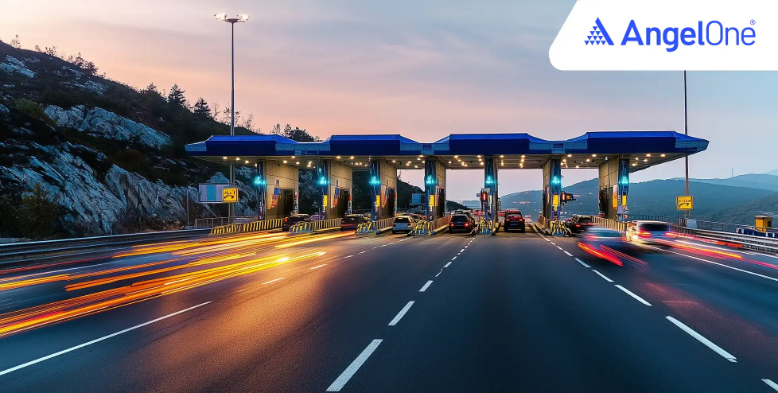

In a major step towards modernising India’s highway infrastructure, the National Highways Authority of India has launched the country’s first stop-free tolling system based on Multi-Lane Free Flow (MLFF) technology. The system has been implemented on the Surat-Bharuch stretch of NH-48 in Gujarat, specifically at the Chorayasi toll plaza, marking a shift from traditional toll collection methods to a fully digital, seamless experience.
This development aligns with the government’s broader push towards smarter, technology-driven transport systems aimed at improving efficiency and commuter convenience.
How MLFF Tolling Works
The MLFF system eliminates the need for vehicles to stop at toll plazas, allowing uninterrupted travel at highway speeds. It leverages advanced technologies such as Automatic Number Plate Recognition (ANPR) and FASTag integration to automatically detect vehicles and deduct toll charges in real time.
This barrier-less approach significantly reduces manual intervention and removes bottlenecks typically associated with toll booths. By enabling vehicles to move freely through toll zones, the system ensures smoother traffic flow and a more efficient highway experience.
Impact on Traffic, Fuel, and Environment
The introduction of MLFF tolling is expected to deliver substantial operational and environmental benefits. By eliminating stoppages, the system can reduce congestion, cut travel time, and improve overall road efficiency.
Lower idling time also translates into reduced fuel consumption and emissions. According to estimates, the initiative could help save up to ₹1,500 crore annually in fuel costs, while also contributing to lower carbon emissions—making it a significant step towards sustainable mobility.
On its first day of operation, approximately 41,500 vehicles passed through the MLFF toll point, indicating strong adoption and operational readiness.
Expansion Plans and Future Outlook
The Chorayasi toll plaza rollout is part of a larger roadmap to implement MLFF technology across multiple highways in India. The government aims to gradually transition from physical toll booths to a fully digital tolling ecosystem, enhancing ease of travel and reducing infrastructure-related delays.
As the system scales, it could redefine highway commuting in India, aligning with global best practices in intelligent transport systems.
Conclusion
The launch of MLFF-based tolling marks a transformative shift in India’s road infrastructure. By combining technology with efficiency, NHAI is paving the way for faster, cleaner, and more convenient highway travel—setting the stage for a new era of barrier-less mobility.
Disclaimer: This blog has been written exclusively for educational purposes. The securities mentioned are only examples and not recommendations. This does not constitute a personal recommendation/investment advice. It does not aim to influence any individual or entity to make investment decisions. Recipients should conduct their own research and assessments to form an independent opinion about investment decisions.
Investments in the securities market are subject to market risks, read all the related documents carefully before investing.
Published on: May 5, 2026, 4:00 PM IST


- RBI Opens Special Window for Public Sector OMCs to Meet Dollar Needs
- RBI Revises Foreign Exchange Derivative Rules, Introduces 20% Cash Reserve Requirement
- UAE Becomes India’s Largest LPG Supplier in September as US Shipments Fall 58%
- RBI Increases Daily CRR Maintenance Requirement for Banks to 99% from October 16, 2026
- Indian Real Estate Attracts $5.9 Billion in Institutional Investments, Up 39% in 2026
Related Articles



Enjoy ₹0 Account Opening Charges
Get the link to download the App


