
LPG Supply Crunch: Govt May Reduce Cylinder Fill To 10 Kg Amid Hormuz Disruptions
 EN
EN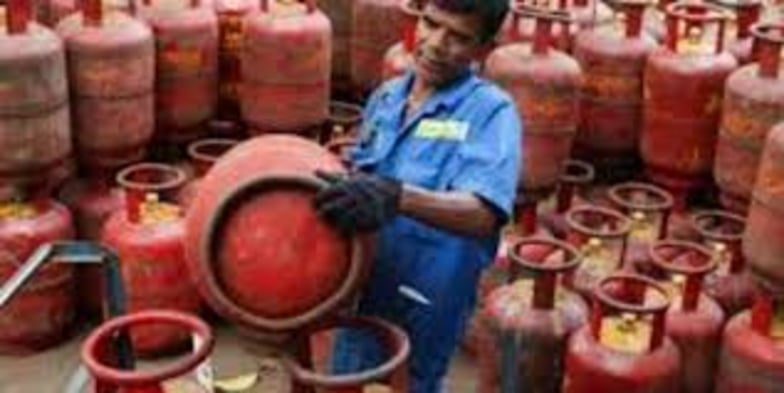

India may soon see a temporary shift in how domestic LPG is supplied, as state-run oil marketing companies explore reducing the quantity in standard household cylinders to manage supply disruptions triggered by geopolitical tensions.
According to a report by The Economic Times, authorities are considering supplying only around 10 kg of LPG in the regular 14.2-kg cylinders. The move is aimed at stretching available supplies and ensuring wider distribution during a period of constrained imports.
Why LPG Supply is Under Pressure
India imports nearly 60% of its LPG requirements, making it vulnerable to global supply disruptions. The ongoing tensions involving Iran have affected cargo movement through the Strait of Hormuz, a critical energy transit route.
Several India-bound LPG tankers are reportedly stuck in the Persian Gulf region, raising concerns about potential supply tightness in the coming weeks. Domestic LPG demand remains high, with household consumption accounting for over 86% of the country’s daily usage of around 93,500 tonnes.
What the 10 Kg Cylinder Plan Means
Under the proposed plan, consumers would receive reduced LPG quantities in the same cylinders, with clear labeling to indicate the revised fill level. Prices would also be adjusted proportionately, ensuring that consumers are not overcharged.
However, implementing this change will not be immediate. It would require recalibration at bottling plants and regulatory approvals before rollout. The move is seen as a contingency measure rather than a permanent shift.
Government Measures ToStabilise Supply
The government has maintained that there are no immediate shortages and that LPG deliveries continue as usual. Officials have urged consumers to avoid panic booking, noting that “no dry-outs” have been reported so far.
To manage the situation, authorities are ramping up domestic LPG production, prioritising household consumption, and partially restoring supplies to commercial users. Recently, a 20% increase in LPG allocation was announced for sectors such as restaurants, hotels, and community kitchens, subject to conditions like registering for piped natural gas connections.
Conclusion
While LPG supplies remain stable for now, the proposed reduction in cylinder fill highlights the underlying stress in the supply chain. If implemented, the move could help balance demand during disruptions, though its success will depend on timely execution and continued monitoring of global energy flows.
Disclaimer: This blog has been written exclusively for educational purposes. The securities mentioned are only examples and not recommendations. This does not constitute a personal recommendation or investment advice. It does not aim to influence any individual or entity to make investment decisions. Recipients should conduct their own research and assessments to form an independent opinion about investment decisions.
Investments in the securities market are subject to market risks. Read all related documents carefully before investing.
Published on: Mar 23, 2026, 3:04 PM IST


- Goa Slashes VAT on Aviation Turbine Fuel to 7% from October 24, 2026
- India's Net FDI Inflows Reach $13.8 Billion in April-August FY27: RBI
- NRI Deposit Inflows Hit $121.94 Billion as FCNR(B) Deposits Rise: RBI Data
- Tamil Nadu Cuts VAT on Aviation Turbine Fuel at Chennai Airport from 29% to 16% to Reduce Airline Operational Costs
- India Notifies New Telecom Sandbox Rules to Support Technology Testing
Related Articles



Enjoy ₹0 Account Opening Charges
Get the link to download the App


