
India’s EV Reforms in 2025: Charging Push, Local Manufacturing, and Lower Costs Drive Adoption
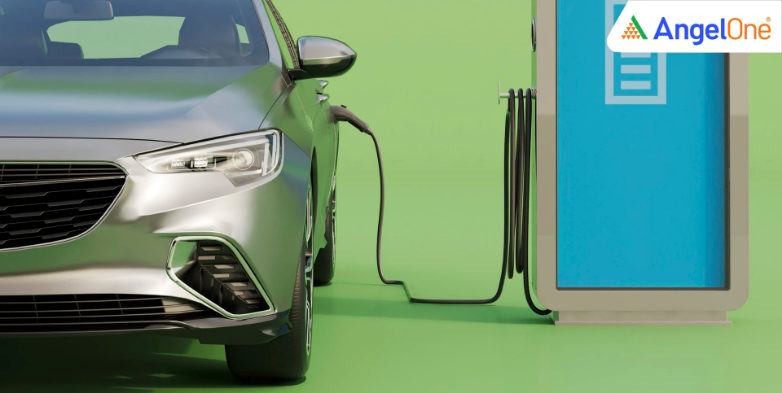

In 2025, India took major steps to speed up electric vehicle (EV) adoption. The focus was on building charging infrastructure, supporting domestic manufacturing, reducing costs, and creating long-term policies for clean transport.
These reforms aimed to make EVs more affordable, easier to use, and better for the environment.
Charging Infrastructure Gets a Big Boost
The government and oil marketing companies (OMCs) expanded charging infrastructure across the country.
Key developments included:
- Over 27,000 EV charging stations operational by late 2025
- Fast charging points added at fuel stations and highways
- Mandatory EV charging points in new residential and commercial buildings
- Dedicated charging corridors for e-buses and electric trucks
This helped reduce range anxiety and made EV charging more accessible.
Tax Benefits and New Support Schemes
To keep EV prices affordable, the government continued tax benefits while expanding subsidy coverage.
Key measures:
- GST on EVs kept at 5%, supporting affordability
- GST on charging and battery swapping services stayed at 18%, highlighting the need for further tax rationalisation
- PM E-DRIVE scheme introduced to support 2-wheelers, 3-wheelers, cars, buses, ambulances, and charging infrastructure
- FAME III focused on smarter incentives, infrastructure, and consumer confidence rather than only discounts
Boost to Domestic Manufacturing
India strengthened its EV supply chain to reduce import dependence and lower costs.
Key steps:
- Continued support under the PLI scheme for Advanced Chemistry Cell (ACC) battery manufacturing
- Import duty cuts on key battery components to reduce EV prices
- DPIIT signed MoUs with startups like Ather Energy to support innovation in battery and vehicle technology
This helped build a strong local EV ecosystem.
Policy Support and Regulatory Push
Several policy initiatives supported long-term EV growth.
Highlights include:
- Bharat Mobility Expo promoted India’s ambition to become a global EV hub
- CAFE emission norms encouraged automakers to use EVs and hybrids
- Zero Emission Trucking (ZET) identified priority corridors for electric trucks
These policies pushed cleaner transport across both passenger and commercial segments.
Focus on Battery Recycling and the Circular Economy
New rules promoted battery recycling and reuse to reduce environmental impact.
Key goals:
- Recover valuable materials from used batteries
- Reduce dependence on new raw materials
- Support sustainable EV growth
This move strengthened India’s circular battery economy.
Overall Impact of 2025 EV Reforms
The combined effect of these reforms was significant:
- Lower EV costs due to tax benefits and cheaper components
- Better convenience with more charging points in familiar locations
- Stronger EV ecosystem with growth in manufacturing, R&D, and startups
- Cleaner transport through electric buses and freight vehicles
Conclusion
India’s EV reforms in 2025 laid a strong foundation for large-scale adoption. By focusing on infrastructure, local manufacturing, smart subsidies, and sustainability, the government moved closer to making EVs mainstream. These steps are expected to accelerate the shift to clean and affordable mobility in the coming years.
Disclaimer: This blog has been written exclusively for educational purposes. The securities mentioned are only examples and not recommendations. This does not constitute a personal recommendation/investment advice. It does not aim to influence any individual or entity to make investment decisions. Recipients should conduct their own research and assessments to form an independent opinion about investment decisions.
Investments in the securities market are subject to market risks, read all the related documents carefully before investing.
Published on: Dec 28, 2025, 2:38 PM IST

Kusum Kumari
Kusum Kumari is a Content Writer with 4 years of experience in simplifying financial market concepts. Currently crafting insightful content at Angel One, She specialise in breaking down complex topics into easy-to-understand pieces, blending expertise in market fundamentals and technical analysis.
Know More
- RBI Opens Special Window for Public Sector OMCs to Meet Dollar Needs
- RBI Revises Foreign Exchange Derivative Rules, Introduces 20% Cash Reserve Requirement
- UAE Becomes India’s Largest LPG Supplier in September as US Shipments Fall 58%
- RBI Increases Daily CRR Maintenance Requirement for Banks to 99% from October 16, 2026
- Indian Real Estate Attracts $5.9 Billion in Institutional Investments, Up 39% in 2026
Related Articles



Enjoy ₹0 Account Opening Charges
Get the link to download the App


