
India's Currency in Circulation Hits Record ₹42.3 Trillion in April, Marking 11.8% YoY Surge
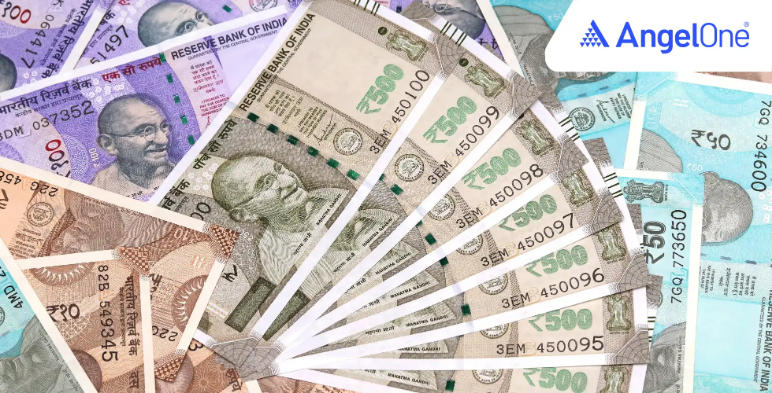

In an unexpected economic development, currency in circulation in India soared to a record high of ₹42.3 trillion in the first weeks of April.
This significant upturn reflects an 11.8% year-on-year increase, a level not seen since the post-demonetisation period.
Increasing Demand for Cash
During the initial 15 days of April, India's currency in circulation escalated by a staggering ₹61,000 crore. The increase is attributed to strong rural demand and a cut in GST rates on several daily-use items in September.
With reduced interest rates complementing cash usage, particularly in rural areas where spending propensity is higher, the demand for currency has intensified.
Impact on Banking Liquidity
The rapid rise in cash demand could challenge the surplus liquidity in India’s banking system.
Economists note that if this trend persists, it may shift liquidity balances to the lower end of expected ranges, impacting the Reserve Bank of India's (RBI) efforts to maintain economic support through controlled liquidity surpluses.
Contributing Factors
Another potential factor influencing this surge in currency usage is the increasing price of precious metals.
The recycling of gold and silver within households could be contributing to the rise in currency circulation.
Additionally, assembly elections could further bolster this upward trend by increasing cash usage for transactions.
Read More: RBI Brought Back 77% of Gold Reserves as Global Risk Drives Shift to Domestic Holdings!
Conclusion
The sharp ascent in India's currency in circulation to ₹42.3 trillion not only reflects increased economic activity but also signals potential liquidity management challenges for the banking sector. The rise highlights various contributing factors, from rural demand and GST cuts to precious metals pricing and political events.
Disclaimer: This blog has been written exclusively for educational purposes. The securities or companies mentioned are only examples and not recommendations. This does not constitute a personal recommendation or investment advice. It does not aim to influence any individual or entity to make investment decisions. Recipients should conduct their own research and assessments to form an independent opinion about investment decisions.
Investments in the securities market are subject to market risks, read all the related documents carefully before investing.
Published on: May 5, 2026, 12:54 PM IST

Team Angel One

- Government Increases Windfall Tax on Petrol Exports, Reduces Diesel Export Tax to ₹8.5 Per Litre
- India's Passenger Vehicle Dispatches Rise 21.8% to 4.54 Lakh Units in September 2026: Siam
- India Directs Telecom Operators to Display Caller Names from November 1, 2026
- India’s Gems and Jewellery Exports Reach $2.95 Billion in September 2026
- Indian Railways to Extend Insurance to All Counter-Booked Train Tickets from October 27, 2026
Related Articles



Enjoy ₹0 Account Opening Charges
Get the link to download the App


