
India Imposes Anti-Dumping Duties on China’s Refrigerant Gas and Steel Products
 EN
EN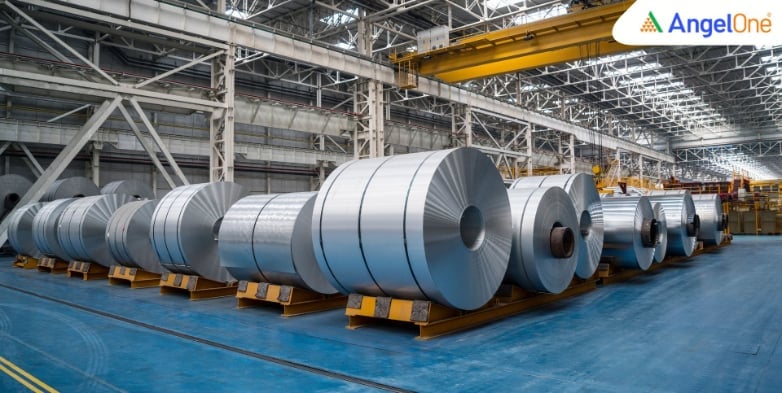

India has stepped up trade defence measures this month by imposing anti-dumping duties on two categories of imports from China, signalling a tougher stance against low-priced inflows that authorities say are harming local industry.
Duties on Steel and Refrigerant Gas
The duties cover cold-rolled non-oriented electrical steel and the refrigerant gas 1,1,1,2-Tetrafluoroethane (R-134a), both of which were found to be sold in the Indian market at prices below their normal value.
According to a notification issued by the finance ministry, imports of the specified steel products from certain Chinese producers will attract a duty of $223.82 per tonne, while others will face a higher levy of $415 per tonne. These measures will remain in force for a period of 5 years.
For R-134a, which is widely used in refrigeration and air-conditioning applications, India has imposed an anti-dumping duty of up to $5,251 per tonne, also for a 5-year term.
Additional Levy on Vietnamese Imports
In a separate move, India has extended anti-dumping protection to the plastics sector by imposing duties on Calcium Carbonate Filler Masterbatch imported from Vietnam. The material is commonly used in plastic manufacturing to improve rigidity and reduce production costs.
Basis for the Decision
The duties follow detailed investigations carried out by the Directorate General of Trade Remedies (DGTR), the commerce ministry’s trade defence arm. Each probe concluded that the domestic industry had suffered injury due to a surge in underpriced imports, prompting recommendations for remedial action.
Anti-dumping measures are allowed under the rules of the World Trade Organisation and are intended to counter unfair trade practices rather than restrict legitimate imports. India, China and Vietnam are all members of the WTO framework governing such actions.
Wider Trade Context
India has increasingly relied on anti-dumping duties across sectors to address the impact of cheap imports, particularly from China. Officials have also pointed to global trade distortions, including higher tariffs imposed by the US on several countries, which have led to diversion of surplus goods into markets like India.
Read More: Govt Reforms 2025 Recap: What Was Promised, What Got Delayed?
Conclusion
The latest duties underline India’s continued use of trade remedies to protect domestic manufacturers from pricing distortions. As global trade pressures intensify, anti-dumping actions are likely to remain a key tool in safeguarding local industry and maintaining fair competition in the Indian market.
Disclaimer: This blog has been written exclusively for educational purposes. The securities mentioned are only examples and not recommendations. This does not constitute a personal recommendation/investment advice. It does not aim to influence any individual or entity to make investment decisions. Recipients should conduct their own research and assessments to form an independent opinion about investment decisions.
Investments in the securities market are subject to market risks, read all the related documents carefully before investing.
Published on: Dec 27, 2025, 10:57 AM IST

Team Angel One

- India and Canada Sign Commercial Agreements as Trade Talks Continue
- Bank Credit Grows 19.38% to ₹230 Trillion by September 2026 End
- Delhi’s SUNIYO 2.0 Property Tax Waiver Deadline Extended to December 31, 2026
- India’s Unemployment Rate Holds at 5% in September 2026
- Centre Sanctions 30-Day Ad Hoc Bonus for Eligible Government Employees for 2025-26
Related Articles



Enjoy ₹0 Account Opening Charges
Get the link to download the App


