
Centre Cuts EV Charger Benchmark Prices to Support Faster Infrastructure Rollout
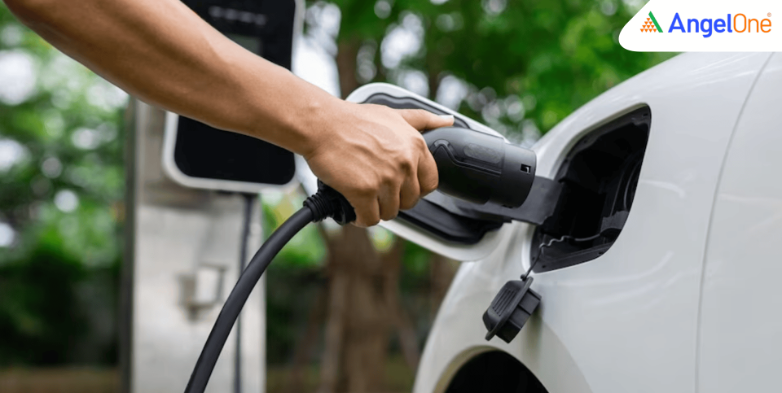

India’s electric mobility push has received a cost-side reset after the Centre revised benchmark prices for electric vehicle chargers, reflecting sharper competition and falling equipment prices across the charging ecosystem, as per LiveMint report.
Benchmark Revisions Across Charger Capacities
The Ministry of Heavy Industries has reduced benchmark prices for EV chargers of multiple capacities. The benchmark cost of a 60 kW charger has been cut by 28%, while the price for a 30 kW charger has been lowered by 17%.
For higher-capacity infrastructure, the benchmark for 120 kW chargers has been reduced by 13%. Industry estimates indicate that the benchmark cost of a 100 kW charger now stands at around ₹13 lakh, compared with about ₹18 lakh earlier.
The previous benchmark framework was set in 2022, when charger prices were materially higher than current market levels.
Impact on Subsidies and Charging Rollout
Benchmark prices are used to calculate subsidy payouts under government programmes such as the PM E-Drive scheme, which supports the deployment of EV charging infrastructure.
Operators said the sharper benchmarks could reduce subsidy claims, particularly as subsidies can cover the full cost of chargers in the 50 kW and 100 kW categories in some cases.
The revised structure is expected to align public support more closely with prevailing market costs while encouraging faster charger deployment.
Market Maturity and Adoption Trends
India currently has around 29,200 public charging stations, with the government pushing accelerated rollout to support rising EV adoption in 2-wheelers, 3-wheelers and passenger vehicles.
EV penetration increased from about 1.3% in FY22 to nearly 4.7% in FY24, driven by lower vehicle prices, policy backing and wider charging availability.
Conclusion
By recalibrating EV charger benchmark prices, the Centre has adjusted subsidy mechanics to match a maturing market, potentially easing fiscal outgo while supporting faster and broader expansion of charging infrastructure nationwide.
Disclaimer: This blog has been written exclusively for educational purposes. The securities mentioned are only examples and not recommendations. This does not constitute a personal recommendation/investment advice. It does not aim to influence any individual or entity to make investment decisions. Recipients should conduct their own research and assessments to form an independent opinion about investment decisions.
Investments in the securities market are subject to market risks, read all the related documents carefully before investing.
Published on: Feb 6, 2026, 11:11 AM IST

Team Angel One

- India's Passenger Vehicle Dispatches Rise 21.8% to 4.54 Lakh Units in September 2026: Siam
- India Directs Telecom Operators to Display Caller Names from November 1, 2026
- India’s Gems and Jewellery Exports Reach $2.95 Billion in September 2026
- Maharashtra Expands Drought Relief to 305 Talukas, Announces ₹5,000 Farmer Aid
- Union Cabinet Clears 78-Day Productivity-Linked Bonus of ₹2,009.61 Crore for Railway Employees
Related Articles



Enjoy ₹0 Account Opening Charges
Get the link to download the App


