
India Hikes APM Gas Price to $7/mmBtu; CNG, PNG, and Fertiliser Sectors to Be Impacted
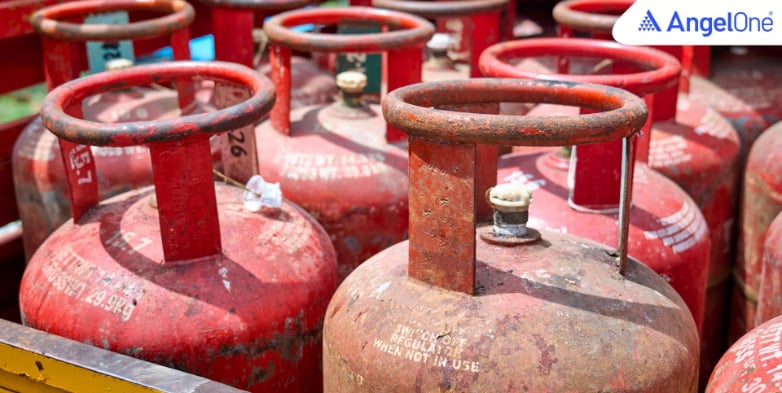

The Indian government has announced an increase in the administered price mechanism (APM) gas price for state-run producers, resulting in heightened costs for sectors like fertilisers, CNG, and PNG. This adjustment reflects the global energy market dynamics and rising crude oil prices.
Details of the Updated Gas Pricing Mechanism
As per PTI report, as of March 31, 2026, the price of APM gas for Oil and Natural Gas Corporation (ONGC) and Oil India Limited (OIL) has been raised to $7 per mmBtu, up from $6.75 per mmBtu.
This revision applies to gas from legacy fields under a regulated pricing regime, making up 60% of domestic production at 92 million standard cubic metres per day.
The pricing follows the government's 2023 guidelines, determining the rate as 10% of the monthly average of the Indian Crude Basket.
The rates are subject to a floor of $4 and a ceiling of $7 per mmBtu for gas from nomination blocks of ONGC and OIL.
Impact on Industries
This price hike affects various industries, including fertiliser production, electricity generation, and the distribution of CNG for automobiles and PNG for household cooking.
The increased costs are a consequence of escalated global crude prices, which have surged by almost 50% in a month, exceeding $100 per barrel.
Additional Pricing Provisions
The government has also introduced a 20% premium over APM prices for gas from new wells and interventions by ONGC and OIL.
Additionally, there is pricing freedom for gas from challenging fields such as deepwater and ultra-deepwater, with a ceiling of $9.72 per mmBtu until March 31, 2026.
Read More: India Launches OALP XI Offering 21 Oil And Gas Exploration Blocks!
Current Global Energy Context
The upward adjustment in gas prices occurs against a backdrop of strained energy supply chains due to global conflicts, such as the ongoing war in West Asia.
Such geopolitical tensions have significantly impacted energy costs, aligning with the government's pricing strategy to adapt to these international changes.
Conclusion
The decision to raise APM gas prices underscores the compelling link between domestic energy prices and global crude trends. As industries adapt to these changes, stakeholders must navigate the implications on cost structures across affected sectors.
Disclaimer: This blog has been written exclusively for educational purposes. The securities or companies mentioned are only examples and not recommendations. This does not constitute a personal recommendation or investment advice. It does not aim to influence any individual or entity to make investment decisions. Recipients should conduct their own research and assessments to form an independent opinion about investment decisions.
Investments in the securities market are subject to market risks, read all the related documents carefully before investing.
Published on: Apr 1, 2026, 11:20 AM IST

Team Angel One

- Aequs Share Price in Focus After Investing ₹15.75 Crore in Ajna Aerospace
- United Spirits Share Price Gains Over 3%; Announces Retirement of Chairman V K Viswanathan; Narayan K Seshadri Appointed Successor
- Krystal Integrated Services Share Price in Focus; Bags ₹25.99 Crore Railway Contract
- Blue Dart Express Announces Key Leadership Changes
- Subex Share Price Gains Over 4%; Secures $700,000 Contract for HyperSense Fraud Management Deployment
Related Articles



Enjoy ₹0 Account Opening Charges
Get the link to download the App


