
LPG Under-Recoveries Could Soar to ₹80,000 Crore in FY27 Amid West Asia Tensions: ICRA
 EN
EN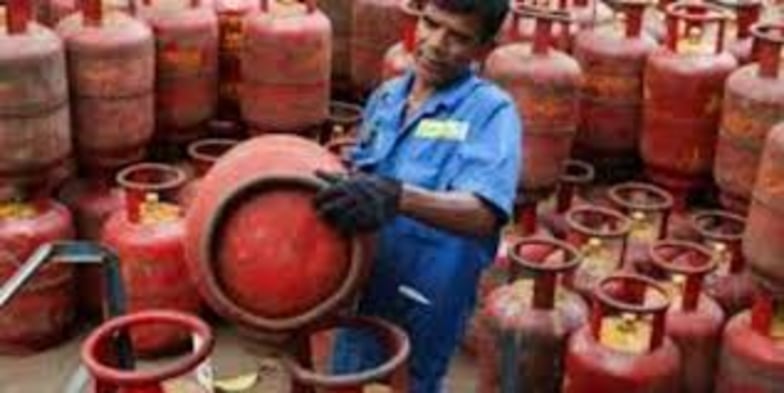

ICRA Limited has flagged rising stress in India’s downstream energy sector, warning that oil marketing companies could face significant losses if current global conditions persist, as per ANI report.
LPG Losses and Fuel Margin Pressure
The agency estimates that under-recoveries on domestic LPG sales may reach around ₹80,000 crore in FY2027, driven by elevated global prices and supply disruptions linked to the West Asia conflict.
At the same time, stable retail fuel prices have constrained margins for oil marketing companies despite high crude costs.
At crude levels of $120–125 per barrel, petrol margins are estimated at negative ₹14 per litre, while diesel margins could be around negative ₹18 per litre.
Prashant Vasisht, Senior Vice President and Co-Group Head, ICRA, noted that “stable pump prices…are impacting profitability,” highlighting the pressure on the sector.
Supply Disruptions and Cost Escalation
Disruptions in the Strait of Hormuz have pushed up input costs across multiple industries. Although Indian refiners have increased LPG production and sourced additional cargoes from the US and Australia, elevated international prices continue to keep losses high.
The impact extends beyond oil marketing, affecting fertilisers, chemicals, and city gas distribution due to higher feedstock costs.
Fertiliser and Chemical Sector Impact
In fertilisers, prices of key inputs such as ammonia and sulphur have risen sharply. The pooled gas price for urea has increased to about $19 per mmbtu in April 2026 from $13 before the crisis.
ICRA expects profitability of phosphatic and potassium fertiliser players to decline due to limited subsidy revisions, with only partial pass-through of costs, except for di-ammonium phosphate. Subsidy requirements for FY2027 are projected at ₹2.05–2.25 trillion, compared to the budgeted ₹1.71 trillion.
In chemicals, higher raw material and fuel costs have lifted prices. While short-term demand has been supported by stockpiling, consumption may ease as inventories stabilise. Specialty chemical companies with lower exposure to West Asia are expected to remain relatively stable.
Gas, Helium and CGD Dynamics
Girishkumar Kadam, Senior Vice President and Group Head, Corporate Ratings, ICRA Limited, said rising input costs may eventually be passed on to consumers, with demand moderation possible in the near term.
He also highlighted a sharp increase in helium prices due to supply disruptions, with the US emerging as an alternative source, though supply ramp-up remains uncertain. Helium is critical for fibre optics and drone manufacturing.
In the city gas distribution segment, compressed natural gas margins are under pressure due to rising gas prices and currency depreciation.
However, piped natural gas for domestic use is expected to remain stable, supported by preferential allocation of administered price mechanism gas.
Read More: Will LPG Prices Rise Again in May 2026? New Rules, Higher Costs, and Big Changes Explained!
Conclusion
The ongoing global energy disruption is creating widespread cost pressures across industries, with LPG losses, rising subsidies and margin compression expected to shape the outlook for multiple sectors in FY2027.
Disclaimer: This blog has been written exclusively for educational purposes. The securities mentioned are only examples and not recommendations. This does not constitute a personal recommendation/investment advice. It does not aim to influence any individual or entity to make investment decisions. Recipients should conduct their own research and assessments to form an independent opinion about investment decisions.
Investments in the securities market are subject to market risks, read all the related documents carefully before investing.
Published on: Apr 30, 2026, 8:37 AM IST

Team Angel One

- Delhi’s SUNIYO 2.0 Property Tax Waiver Deadline Extended to December 31, 2026
- India’s Unemployment Rate Holds at 5% in September 2026
- Centre Sanctions 30-Day Ad Hoc Bonus for Eligible Government Employees for 2025-26
- Government Increases Windfall Tax on Petrol Exports, Reduces Diesel Export Tax to ₹8.5 Per Litre
- India's Passenger Vehicle Dispatches Rise 21.8% to 4.54 Lakh Units in September 2026: Siam
Related Articles



Enjoy ₹0 Account Opening Charges
Get the link to download the App


