
Govt Evaluates Ethanol as an Alternative Cooking Fuel for Commercial Kitchens
 EN
EN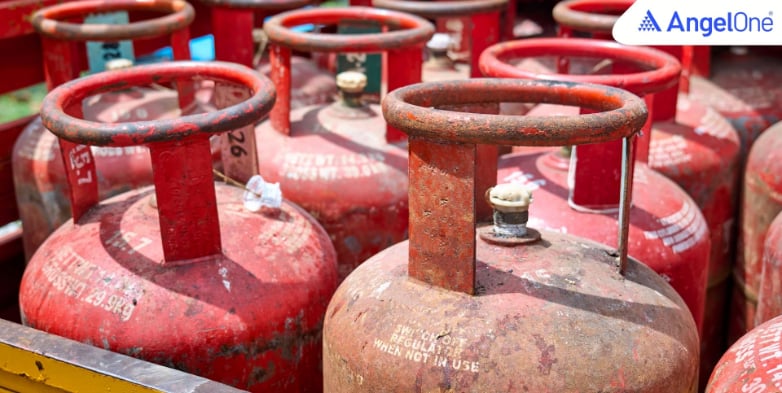

The Indian government is exploring the potential of ethanol as a viable alternative to liquefied petroleum gas (LPG) for commercial cooking.
Amidst the current disruptions in LPG supply, using ethanol could reduce the country’s reliance on imported LPG while utilising the surplus biofuel produced domestically.
Potential Benefits of Switching to Ethanol
India is currently examining the utilisation of its surplus ethanol capacity of approximately 1,000 crore litres to support commercial cooking needs.
Unlike LPG, which is primarily imported, ethanol is locally produced from agricultural feedstocks such as sugarcane, maize and rice.
Employing ethanol could not only cut down on import dependency but also bolster the rural economy by supporting local farmers who supply the raw materials for ethanol production.
Cheaper and Cleaner Option
Ethanol presents a cost-effective alternative for commercial kitchens, especially when using hydrous ethanol.
The cost of hydrous ethanol is significantly lower compared to commercial LPG, priced at around ₹70 per kg versus ₹103 per kg for LPG.
Although ethanol offers a lower calorific value (7,100 calories per kg), it promises cleaner combustion and enhanced energy security by ensuring a local fuel source.
Read More: PNGRB Approves IOC’s 425-km Kochi-Thoothukudi Gas Pipeline to Expand Supply in South India!
Implementation Strategy and Technical Considerations
The proposed switch to ethanol will initially focus on large-scale commercial kitchens like those found in hotels, airports and restaurants.
The government’s inter-ministerial panel, including various ministries, is set to review the detailed proposal. Technical feasibility, pricing and logistics will be key factors in the decision-making process.
Industry representatives have expressed readiness to conduct trials and work alongside the government to develop necessary safety and technical standards.
Economic Implications and Challenges
The increased use of ethanol in cooking could lead to significant economic and environmental benefits.
However, challenges such as establishing the infrastructure, ensuring efficient distribution, and addressing the lower energy content compared to LPG must be addressed.
Successfully navigating these challenges could place India on a path to greater energy independence.
Conclusion
The government’s consideration of ethanol as an alternative to LPG for commercial cooking represents a strategic initiative towards energy diversification. By leveraging domestic resources, India aims to enhance energy security while supporting the rural economy, despite certain technical and distribution challenges.
Disclaimer: This blog has been written exclusively for educational purposes. The securities or companies mentioned are only examples and not recommendations. This does not constitute a personal recommendation or investment advice. It does not aim to influence any individual or entity to make investment decisions. Recipients should conduct their own research and assessments to form an independent opinion about investment decisions.
Investments in the securities market are subject to market risks, read all the related documents carefully before investing.
Published on: Apr 20, 2026, 12:44 PM IST

Team Angel One

- RBI Opens Special Window for Public Sector OMCs to Meet Dollar Needs
- RBI Revises Foreign Exchange Derivative Rules, Introduces 20% Cash Reserve Requirement
- UAE Becomes India’s Largest LPG Supplier in September as US Shipments Fall 58%
- RBI Increases Daily CRR Maintenance Requirement for Banks to 99% from October 16, 2026
- Indian Real Estate Attracts $5.9 Billion in Institutional Investments, Up 39% in 2026
Related Articles



Enjoy ₹0 Account Opening Charges
Get the link to download the App


