
Government Looks To Ease Small Cash Shortage With New Currency Machines
 EN
EN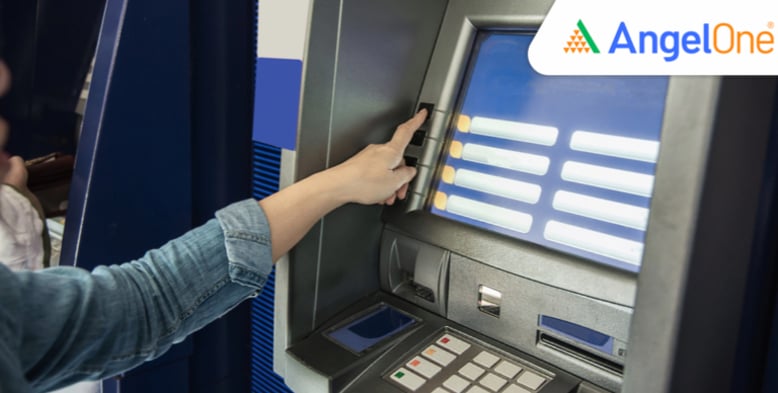

As per news reports, the Centre is exploring multiple measures to improve the availability of small-denomination currency notes, nearly a decade after demonetisation reshaped cash usage in India. The move aims to address persistent shortages of ₹10, ₹20 and ₹50 notes that continue to disrupt daily cash transactions across the country.
The proposal includes introducing new currency-dispensing machines, hybrid ATMs that exchange large notes for smaller denominations and coins, and steps to push for higher printing of small-value currency by the central bank.
New Machines To Dispense Small Notes
According to reports, a pilot project is currently underway in Mumbai to test machines that dispense small-denomination notes on demand. These machines are designed to issue ₹10, ₹20 and ₹50 notes and may be installed at high-footfall locations such as railway stations, markets, hospitals and government offices if approved for wider rollout.
Another option under consideration is a hybrid ATM that combines a regular cash withdrawal facility with coin and small-note exchange. Such machines would allow users to swap higher-value notes for smaller denominations and coins in a single transaction. A hybrid ATM model has already been tested at a bank branch in Mumbai.
The government is expected to decide on broader deployment after reviewing the pilot results and feedback from the Reserve Bank of India.
Why Small Cash Still Matters
The push comes amid growing frustration among consumers and merchants who struggle to arrange change for ₹500 notes. This often leads to delayed payments or rounding off prices, especially in small-value transactions.
As per reports, the availability of small cash remains crucial for large sections of the population, including daily wage workers, small traders, commuters and those in semi-urban and rural areas where digital payment systems are not always reliable or widely accepted.
RBI data shows that ₹500 notes dominate currency circulation, accounting for over 40% by volume and the vast majority of total value. In contrast, smaller denominations make up a large share by volume but represent only a small fraction of total value, highlighting the imbalance in cash availability.
Concerns Around Supply And Cost
Experts caution that machines alone may not fully solve the problem unless backed by adequate printing, distribution and recirculation of small notes. There are also concerns that a nationwide rollout could be costly for banks, especially at a time when digital payments are being actively promoted.
As per news reports, a targeted approach is being considered, focusing on areas where digital infrastructure is still developing and dependence on cash remains high.
Conclusion
The government’s plan to improve access to small-denomination currency reflects an effort to reduce daily transaction friction and improve ease of living. If implemented carefully, the initiative could bring relief to cash-dependent users while maintaining a balance with India’s broader push towards digital payments.
Disclaimer: This blog has been written exclusively for educational purposes. The securities mentioned are only examples and not recommendations. This does not constitute a personal recommendation/investment advice. It does not aim to influence any individual or entity to make investment decisions. Recipients should conduct their own research and assessments to form an independent opinion about investment decisions.
Investments in the securities market are subject to market risks. Read all the related documents carefully before investing.
Published on: Jan 27, 2026, 12:14 PM IST


- India and Canada Sign Commercial Agreements as Trade Talks Continue
- Bank Credit Grows 19.38% to ₹230 Trillion by September 2026 End
- Delhi’s SUNIYO 2.0 Property Tax Waiver Deadline Extended to December 31, 2026
- India’s Unemployment Rate Holds at 5% in September 2026
- Centre Sanctions 30-Day Ad Hoc Bonus for Eligible Government Employees for 2025-26
Related Articles



Enjoy ₹0 Account Opening Charges
Get the link to download the App


