

Elon Musk Backed Starlink to Seek Fresh IN-SPACe Approval for Direct-to-Device Services in India
 EN
EN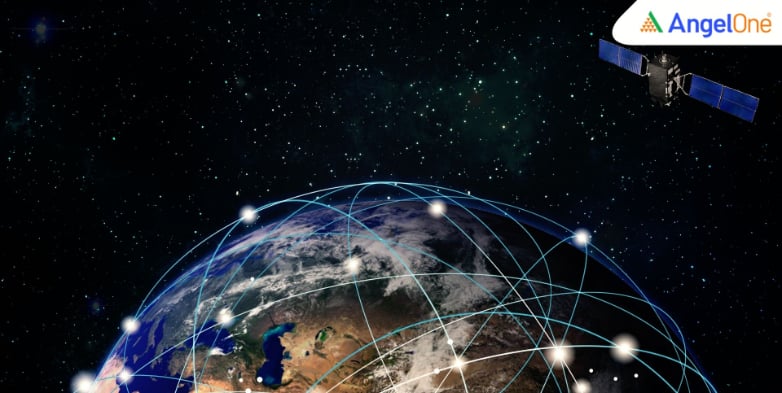

Elon Musk-owned Starlink will need to seek fresh regulatory approval from the Indian National Space Promotion and Authorization Centre (IN-SPACe) to introduce advanced satellite technologies, including direct-to-device (D2D) connectivity, in India, in addition to its standard satellite broadband services, as per The Economic Times report.
Why Starlink’s Gen 2 Application Was Rejected?
Starlink had earlier submitted applications for both its Gen 1 and Gen 2 satellite constellations. While IN-SPACe cleared the Gen 1 constellation enabling conventional satellite broadband through 4,408 low-earth orbit satellites it rejected approval for Gen 2 due to regulatory and technical constraints.
IN-SPACe Chairman Pawan Kumar Goenka had also confirmed that the regulator did not clear Starlink’s Gen 2 proposal.
Direct-to-Device Tech Faces Regulatory Hurdles
India currently lacks a regulatory framework for D2D connectivity. The Department of Telecommunications (DoT) is deliberating policy direction and is expected to seek recommendations from the Telecom Regulatory Authority of India (TRAI) on pricing and operational norms.
Authorities are also evaluating spectrum bands suitable for D2D services in consultation with handset manufacturers, operating system providers and satellite firms.
Telecom Operators Raise Competitive Concerns
Indian telecom companies have expressed concerns that satellite-led D2D services could disrupt their business models.
Telcos have urged the government to impose similar regulatory and licensing conditions on satellite players if mobile connectivity is permitted directly via space-based networks.
Globally, countries such as the United States, Canada and Australia have already allowed satellite-based phone connectivity. In the US, Starlink has partnered with T-Mobile to provide D2D connectivity in remote areas lacking terrestrial network coverage.
Global Expansion of Starlink’s Gen 2 Network
Recently, Starlink secured approval from the US Federal Communications Commission to deploy an additional 7,500 Gen 2 satellites, taking its total global fleet to around 15,000 satellites.
These advanced satellites support Ku, Ka, V, E and W-band frequencies and are capable of delivering enhanced broadband and direct-to-device services worldwide.
Read More: Taara Internet Claims 10–100x Faster Speeds Than Elon Musk’s Starlink, Cheaper Than Fibre: Here’s How?
Conclusion
While Starlink has received initial clearance to launch standard satellite broadband services in India, the rollout of next-generation offerings like D2D connectivity will depend on fresh regulatory approvals and policy clarity, marking a crucial phase for India’s emerging satellite communications ecosystem.
Disclaimer: This blog has been written exclusively for educational purposes. The securities mentioned are only examples and not recommendations. This does not constitute a personal recommendation/investment advice. It does not aim to influence any individual or entity to make investment decisions. Recipients should conduct their own research and assessments to form an independent opinion about investment decisions.
Investments in the securities market are subject to market risks, read all the related documents carefully before investing.
Published on: Jan 27, 2026, 2:07 PM IST

Team Angel One

- Nvidia to Invest $5 Billion in Intel to Boost AI Chip Development
- US President Signs Sanctioning Russia and Iran Act into Law; India Faces Threat of Up to 100% Tariffs
- US Commerce Department Finalises High Tariffs on Solar Imports from India, Indonesia and Laos
- Argentina Commits to Easing Entry Barriers for Indian Pharma Sector
- US Senate Passes Bill to Sanction Major Russian Oil Buyers; India, China at Risk of 100% Tariffs
Related Articles



Enjoy ₹0 Account Opening Charges
Get the link to download the App


