
Cash In Circulation Hits Record High in January 2026 Even as UPI Use Surges: SBI Research
 EN
EN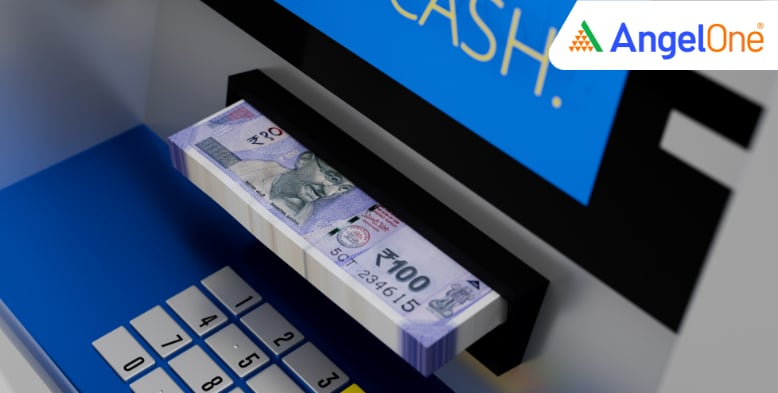

Currency in circulation (CIC) in India has climbed to a fresh record high, even as UPI transactions continue to grow rapidly. According to a report by SBI Research, the rise in cash has been driven mainly by higher ATM withdrawals and a stronger tendency to hold physical money, especially in rural areas.
CIC reached nearly ₹40 lakh crore by the end of January 2026, marking an 11.1% year-on-year increase. In comparison, the growth during the same period last year was 5.3%. On an incremental basis, CIC rose by ₹2.76 lakh crore year-to-date, which is over three times higher than last year’s increase.
Why is Cash Usage Rising?
The report highlighted that one key reason behind the increase in cash is the rise in ATM withdrawals in certain states. Karnataka saw a noticeable jump after small merchants received GST notices linked to their UPI transaction volumes.
The Karnataka Commercial Taxes Department reportedly issued around 18,000 GST notices to small traders and vendors who had UPI transactions exceeding ₹40 lakh between 2022 and 2025. This could have encouraged some merchants to reduce digital payments and rely more on cash, with similar effects seen in states such as West Bengal and Kerala.
Currency With Public Also Touches a New Peak
The report also pointed out that currency with public (CWP) rose along the same trend. CWP reached an all-time high of ₹39 lakh crore in January, forming around 97.6% of total CIC.
CWP increased 11.5% year-on-year, compared to only 5.4% in the previous year. If this momentum continues, the total cash held by the public could exceed the strong post-pandemic rise recorded in FY21.
Digital Payments Still Dominate
Despite the growth in cash, digital transactions remain dominant. UPI transactions now total around ₹28 lakh crore per month, which is close to 70% of the total currency in circulation.
The report also noted that the cash-to-GDP ratio has fallen to 11% in FY26, compared with 14.4% in FY21. This suggests that while cash is rising in absolute terms, economic growth is increasingly being supported by digital payments rather than physical currency.
Precious Metals May Have Boosted Cash Levels
Another reason for higher CIC could be the rise in gold and silver prices. With precious metals becoming more valuable, more households may have sold or recycled some of their holdings, resulting in more cash entering circulation.
The report also linked the rise in cash to higher household consumption, supported by GST rationalisation and changes in income tax slabs.
Read more: Bank Employees’ DA Hiked To 25% For Feb–Apr 2026: Check Details.
Conclusion
India’s cash in circulation has reached record levels, driven by higher ATM withdrawals and changing behaviour among households and small merchants. However, digital payments continue to expand rapidly, and the falling cash-to-GDP ratio shows that the economy is becoming more digital over time.
Disclaimer: This blog has been written exclusively for educational purposes. The securities mentioned are only examples and not recommendations. This does not constitute a personal recommendation/investment advice. It does not aim to influence any individual or entity to make investment decisions. Recipients should conduct their own research and assessments to form an independent opinion about investment decisions.
Published on: Feb 17, 2026, 11:49 AM IST


- India and Canada Sign Commercial Agreements as Trade Talks Continue
- Bank Credit Grows 19.38% to ₹230 Trillion by September 2026 End
- Delhi’s SUNIYO 2.0 Property Tax Waiver Deadline Extended to December 31, 2026
- India’s Unemployment Rate Holds at 5% in September 2026
- Centre Sanctions 30-Day Ad Hoc Bonus for Eligible Government Employees for 2025-26
Related Articles



Enjoy ₹0 Account Opening Charges
Get the link to download the App


