
AI Cameras on Mumbai Pune Expressway Issued ₹470 Crore in E-Challans
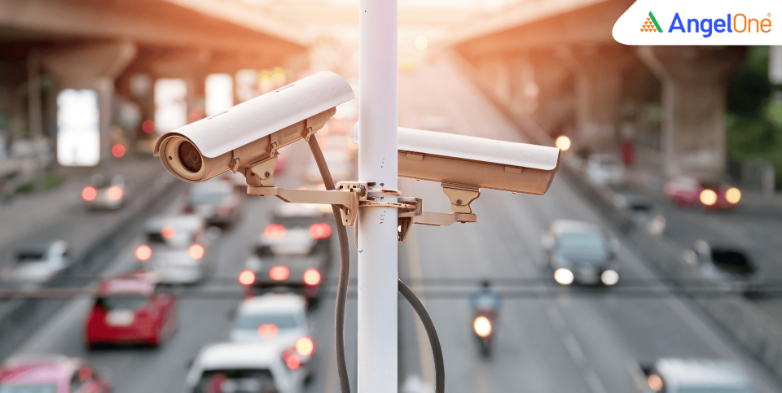

In a striking revelation, data shared by the Maharashtra transport department shows how the Intelligent Traffic Management System (ITMS) on the Mumbai Pune Expressway has been aggressively enforcing traffic rules through AI-powered cameras.
The figures highlight both the scale of enforcement and the challenge in collecting fines.
₹470 Crore Worth of E Challans Issued, but Only ₹51 Crore Recovered
As per PTI reports, between July 19, 2024, and July 17, 2025, the ITMS recorded 27.76 lakh e-challans for various traffic violations. The total fines amounted to ₹470 crore, yet only ₹51.32 crore has been recovered so far. The gap underscores enforcement challenges despite advanced monitoring systems.
Cars Lead in Speed Limit Violations
Cars topped the list of offenders with over 17.20 lakh e-challans issued mainly for exceeding speed limits. Heavy goods carriers followed with 3.27 lakh challans, while heavy passenger vehicles such as buses accounted for 2.48 lakh challans. Taxis faced 2 lakh challans, and light goods carriers were booked 1.2 lakh times.
Other Vehicle Categories in the Violation List
Medium goods vehicles received 85,468 challans, articulated heavy goods vehicles 30,450, and medium passenger buses 14,764. The distribution shows that violations are widespread across different types of vehicles using the expressway.
How the ITMS Works
The ITMS employs high-resolution cameras and AI-based detection tools to identify traffic violations. The Maharashtra State Road Transport Corporation (MSRTC) has installed 40 gantries and hundreds of CCTV cameras along with speed detection devices, Automatic Number Plate Recognition (ANPR) systems, weigh-in-motion sensors, Automatic Vehicle Classification and Counting (AVCC) technology, weather sensors, and a dynamic messaging system.
Verification and Approval of E Challans
Every violation recorded by the system is sent to the Command and Control Centre, where operators verify the footage and details. Once verified, the challan is approved by the Regional Transport Office (RTO) officials before being issued to the vehicle owner.
Read More: Govt To Transfer ₹ 3,200 Crore to 30 Lakh Farmers Under PM Fasal Bima Yojana!
Funding and Implementation
The state transport department provided ₹45 crore as viability gap funding from the Road Safety Fund for the project, which cost more than ₹100 crore. The system was introduced to enhance compliance and improve safety on one of India’s busiest expressways.
Conclusion
The ITMS on the Mumbai Pune Expressway issued 27.76 lakh e-challans worth ₹470 crore in one year, yet only ₹51.32 crore has been collected. This reflects a recovery rate of just around 11%.
Disclaimer: This blog has been written exclusively for educational purposes. The securities or companies mentioned are only examples and not recommendations. This does not constitute a personal recommendation or investment advice. It does not aim to influence any individual or entity to make investment decisions. Recipients should conduct their own research and assessments to form an independent opinion about investment decisions.
Investments in securities are subject to market risks. Read all related documents carefully before investing.
Published on: Aug 11, 2025, 1:26 PM IST

Team Angel One

- UPI MDR Charges on Select Merchant Payments Deferred Until After Diwali, Says NPCI
- RBI Expands Forex Risk Reserve Rules, Restricts Rupee Derivatives
- India’s Greenfield FDI Rises 61% to $351 Billion in Five Years, Exceeds China’s Inflows
- IFSCA Seeks Unified Commodity Trading Rules at GIFT City as India Targets Onshore Price Discovery
- FPI Selling Reaches ₹3.08 Trillion in CY26 as October 2026 Outflows Cross ₹47,000 Crore
Related Articles



Enjoy ₹0 Account Opening Charges
Get the link to download the App


