
5kg Free Trade LPG Cylinder Prices Hiked by ₹261
 EN
EN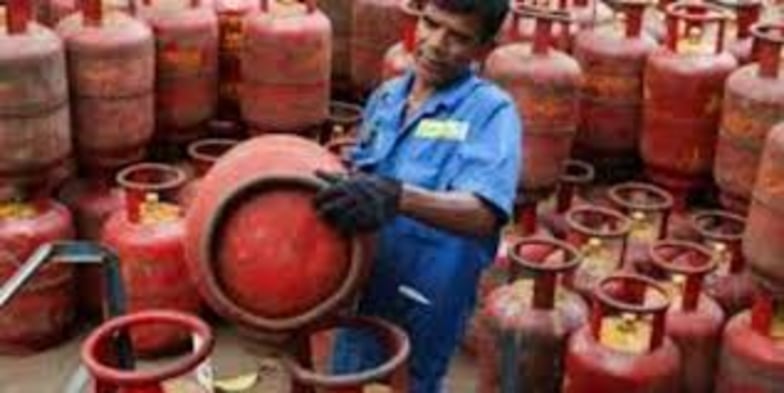

LPG pricing has taken a divergent turn from May 1, with sharp increases in market-linked segments contrasting with stable household cooking gas rates, highlighting a clear policy split between consumer protection and market pricing.
Two-Tier Pricing Becomes Visible
The latest revision underscores a widening gap between domestic and non-domestic LPG pricing. While household cylinders remain unchanged, commercial users are facing a steep rise.
The 5 kg Free Trade LPG cylinder has become costlier by ₹261, directly impacting small vendors and micro businesses that rely on these cylinders for daily operations.
Why Are Commercial Users Bearing the Cost?
Unlike domestic LPG, which is politically and economically sensitive, commercial and free trade cylinders are aligned more closely with international benchmarks.
Recent volatility in global crude markets has pushed input costs higher, and this has now been passed through to non-subsidised segments.
Brent crude’s sharp movement above $120 per barrel recently reflects the kind of pressure feeding into these revisions.
Households Remain Insulated
Despite global price pressures, domestic LPG rates have been left untouched. This suggests a deliberate effort to shield households from inflationary impact, especially given the scale of dependence on LPG for cooking across the country.
Where The Impact Will Be Felt?
The immediate pressure will be visible in sectors that rely heavily on LPG i.e. restaurants, hotels, catering businesses, and small food vendors.
For smaller operators using 5 kg cylinders, the increase is more direct and immediate, potentially affecting margins.
Larger establishments, on the other hand, may gradually pass on the cost increase to end consumers.
Limited System-Wide Impact
Even with the sharp increase, the overall macro impact remains contained. Commercial LPG accounts for a relatively small share of total consumption, meaning the broader household segment, which drives bulk demand, remains unaffected.
Operational Tightening Continues
Alongside pricing, the system is also seeing tighter control mechanisms. Longer refill intervals and expanded delivery authentication systems indicate continued efforts to manage supply discipline and prevent misuse.
Read More: India Ensures Stable LPG and Fertiliser Supply Amid West Asia Tensions!
Conclusion
The latest LPG revision reflects a calibrated pricing strategy, allowing market forces to operate in commercial segments while maintaining stability for household consumers.
Disclaimer: This blog has been written exclusively for educational purposes. The securities mentioned are only examples and not recommendations. This does not constitute a personal recommendation/investment advice. It does not aim to influence any individual or entity to make investment decisions. Recipients should conduct their own research and assessments to form an independent opinion about investment decisions.
Investments in the securities market are subject to market risks, read all the related documents carefully before investing.
Published on: May 2, 2026, 10:35 AM IST

Team Angel One

- RBI Opens Special Window for Public Sector OMCs to Meet Dollar Needs
- RBI Revises Foreign Exchange Derivative Rules, Introduces 20% Cash Reserve Requirement
- UAE Becomes India’s Largest LPG Supplier in September as US Shipments Fall 58%
- RBI Increases Daily CRR Maintenance Requirement for Banks to 99% from October 16, 2026
- Indian Real Estate Attracts $5.9 Billion in Institutional Investments, Up 39% in 2026
Related Articles



Enjoy ₹0 Account Opening Charges
Get the link to download the App


