
India's LPG Consumption Declines by 13% Due to West Asia Conflict Disruptions
 EN
EN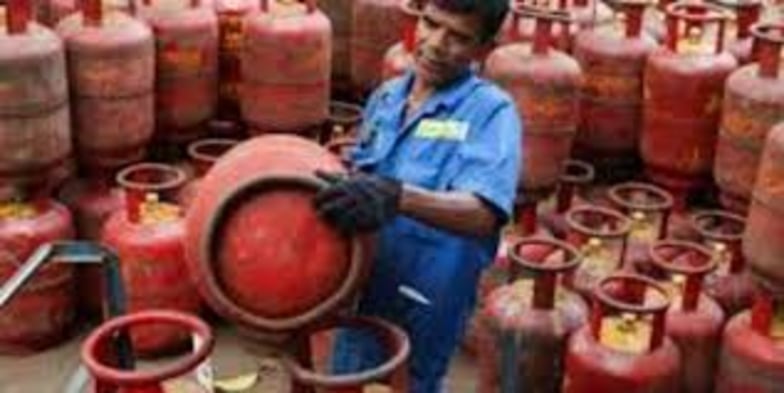

Amid ongoing conflict in West Asia, India's liquefied petroleum gas (LPG) consumption has seen a significant reduction.
The disruptions in supply chains, primarily through the Strait of Hormuz, have led to a 13% decrease in LPG usage, impacting both domestic households and commercial entities.
Impact of West Asia Conflict on India's LPG Supply
India's LPG consumption hit 2.379 million tonnes in March, showing a 12.8% drop compared to the previous year's 2.729 million tonnes.
India, which relies on imports for 60% of its LPG needs, faced critical challenges when the Strait of Hormuz was closed following military actions and retaliations involving the US and Iran.
With supply routes from key exporters like Saudi Arabia and the UAE being affected, the Indian government prioritised household cooking gas over commercial LPG distribution, leading to a 48% reduction in supply to non-domestic users.
Government's Response to Mitigate Shortfall
To address the shortfall in imports, the Indian government directed domestic refineries to reduce petrochemical production and boost LPG output.
Consequently, domestic production rose to 1.4 million tonnes in March, up from 1.1 million tonnes the previous year.
Despite the March drop, overall LPG consumption in the fiscal year ending March 2026 increased by 6% to 33.212 million tonnes.
Read More: PC Jeweller Cuts Bank Debt by Another 10%, Repayment Crosses 90% Under Lender Agreement!
Alternative Energy and Fuel Sales Trends
While LPG usage faced setbacks, petrol and diesel sales recorded growth in March, with petrol sales increasing by 7.6% to 3.78 million tonnes and diesel consumption rising by 8.1% to 8.727 million tonnes.
In contrast, jet fuel consumption remained mostly unchanged due to airspace restrictions over conflict zones.
Overall Fiscal Year Performance
The fiscal year saw a varied performance in fuel consumption. Aviation turbine fuel (ATF) sales grew by 2% to 9.161 million tonnes, petrol usage increased by 6.5% to 42.586 million tonnes, and diesel sales were up by 3.6% to 94.705 million tonnes.
While naphtha and fuel oil consumption dropped, bitumen usage rose by 3% to 8.84 million tonnes.
Conclusion
India's LPG consumption in March was notably impacted by the geopolitical tensions in West Asia, leading to significant disruptions in supply. This situation underscores the interconnectedness of global events and regional energy supply chains. The government's response to enhance domestic production coupled with a strategic redistribution of resources played a critical role in mitigating the domestic impact.
Disclaimer: This blog has been written exclusively for educational purposes. The securities or companies mentioned are only examples and not recommendations. This does not constitute a personal recommendation or investment advice. It does not aim to influence any individual or entity to make investment decisions. Recipients should conduct their own research and assessments to form an independent opinion about investment decisions.
Investments in the securities market are subject to market risks, read all the related documents carefully before investing.
Published on: Apr 20, 2026, 12:42 PM IST

Team Angel One

- Dubai Gold Rate Today: 24 Carat Gold Fall to AED 493.75 Per Gram on October 22, 2026
- Gold Rate: Dubai vs India Gold Prices on October 22, 2026
- Crude Oil Prices Rise as US Orders Diplomats to Leave Saudi Arabia Amid Escalating Tensions | October 22, 2026
- Check Gold and Silver Prices Across New Delhi, Mumbai, and Chennai on October 23, 2026
- Dubai Gold Rate Today: 24 Carat Gold Fall to AED 482.25 Per Gram on October 23, 2026
Related Articles



Enjoy ₹0 Account Opening Charges
Get the link to download the App


