
Zero-Duty Boost for Indian Textiles? Piyush Goyal Hints at Bangladesh-Like US Access
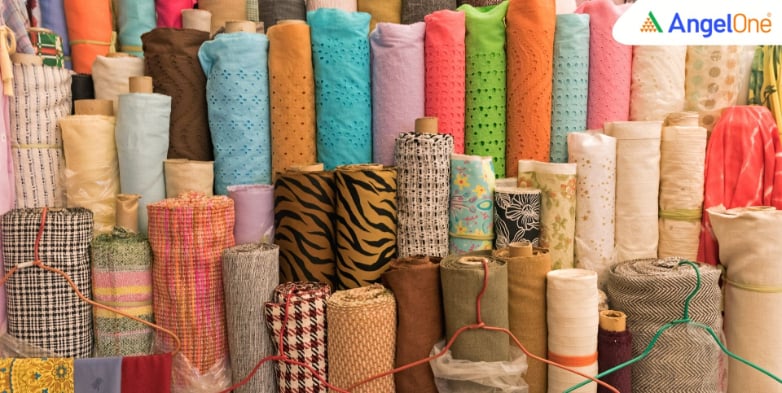

India’s textile and apparel sector may receive zero duty access to the United States market, similar to Bangladesh, following recent trade discussions. The development comes amid concerns after a Bangladesh United States trade arrangement earlier this week.
India May Explore Zero Duty US Access for Textiles
Commerce Minister Piyush Goyal indicated on February 12, 2026, that India may consider a zero-duty arrangement with the US.
As per initial tariff guidelines by the US administration, countries using US origin raw materials amounting to at least 20% of import value and converting them into finished goods may export those products to the US under zero duty.
Industry participants stated that this access would not be exclusive to Bangladesh and could help maintain India’s competitive position in the US textile market.
Read More: India US Trade Deal: Factsheet Updated, Pulses Removed and $500 Billion Purchase Intent Revised!
Cotton Trade and Bangladesh Dynamics
Bangladesh imports around 8.5 million bales of cotton annually to support nearly 500 spinning mills. Its sourcing includes Brazil, India and African countries, with no significant imports from the US in recent years. India exports on average 1.2 million bales of cotton annually to Bangladesh.
India produces approximately 37 million bales of cotton per year. Due to domestic consumption and export commitments of cotton, yarn and fabrics, India also imports nearly 5 million bales annually to manage supply demand gaps.
Domestic Demand and Trade Agreements
Despite Bangladesh’s spinning capacity, domestic yarn output there remains insufficient for its garment sector, leading to continued imports of yarn and fabrics. India’s textile value chain also reflects structural demand for cotton.
With trade agreements signed with the UK and the EU, and discussions underway with the US, capacity expansion across spinning, weaving, processing and garmenting may influence domestic cotton consumption levels.
Conclusion
India’s potential zero duty access to the US textile market may address concerns arising from recent trade developments involving Bangladesh. Current cotton production of 37 million bales, imports of 5 million bales and exports of 1.2 million bales to Bangladesh indicate a balanced trade structure based on existing supply and demand data.
Disclaimer: This blog has been written exclusively for educational purposes. The securities or companies mentioned are only examples and not recommendations. This does not constitute a personal recommendation or investment advice. It does not aim to influence any individual or entity to make investment decisions. Recipients should conduct their own research and assessments to form an independent opinion about investment decisions.
Investments in the securities market are subject to market risks, read all the related documents carefully before investing.
Published on: Feb 12, 2026, 2:24 PM IST

Team Angel One

- Coal Stocks at Power Plants Remain Above 18 MT as Supplies Improves in October 2026
- RBI Opens Special Window for Public Sector OMCs to Meet Dollar Needs
- RBI Revises Foreign Exchange Derivative Rules, Introduces 20% Cash Reserve Requirement
- UAE Becomes India’s Largest LPG Supplier in September as US Shipments Fall 58%
- RBI Increases Daily CRR Maintenance Requirement for Banks to 99% from October 16, 2026
Related Articles



Enjoy ₹0 Account Opening Charges
Get the link to download the App


